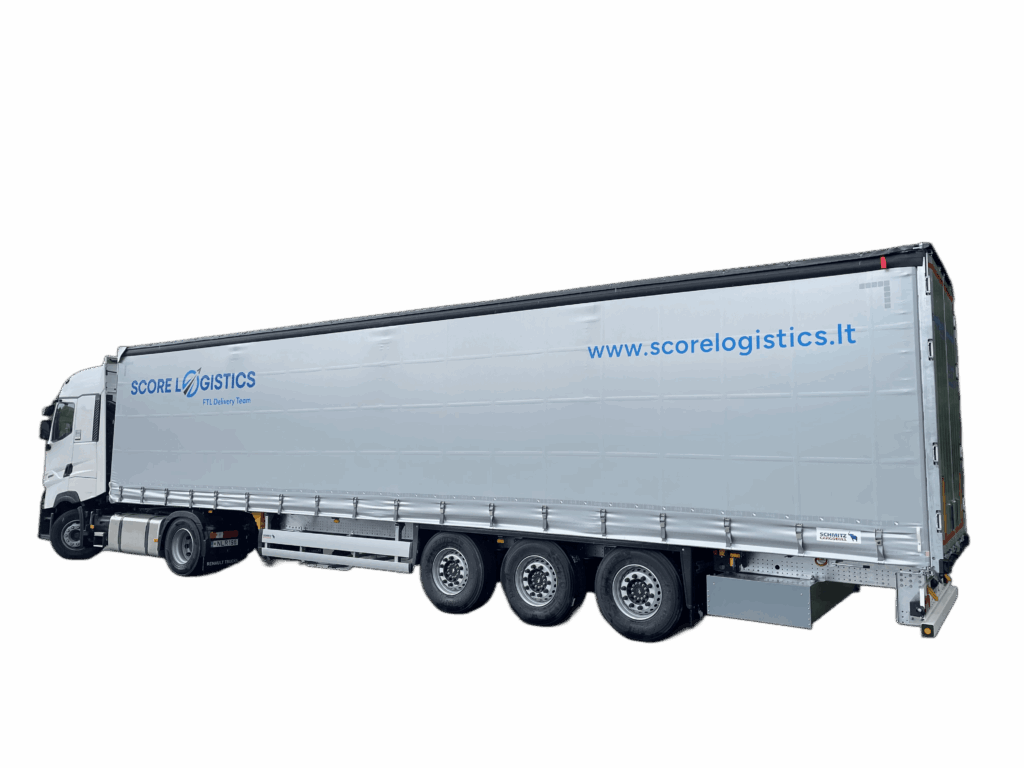

ADR Class 8 corrosive substances transport across Western Europe
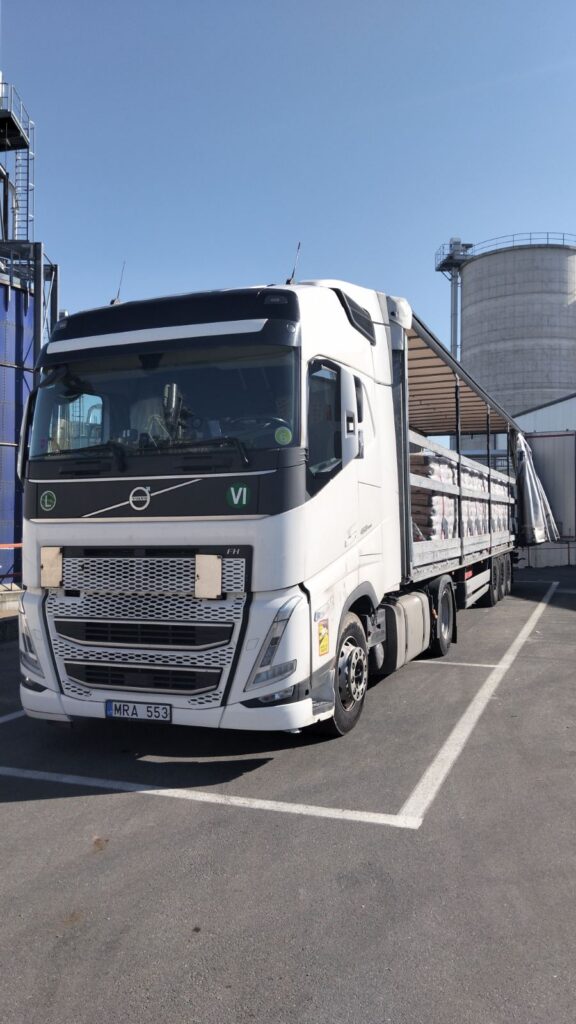
Acids, alkalis, and corrosive materials – Class 8 covers one of the broadest and most frequently shipped hazardous categories in ADR. Corrosive substances can cause severe damage to living tissue, destroy metals, and react dangerously with incompatible cargo. Each shipment requires precise documentation, correct placarding, and careful load planning. We transport Class 8 goods across Western Europe on full truckload tautliner trailers, packaged goods only, with full ADR compliance managed in-house.
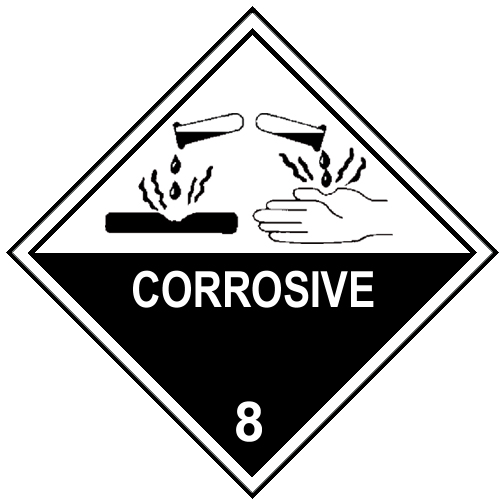
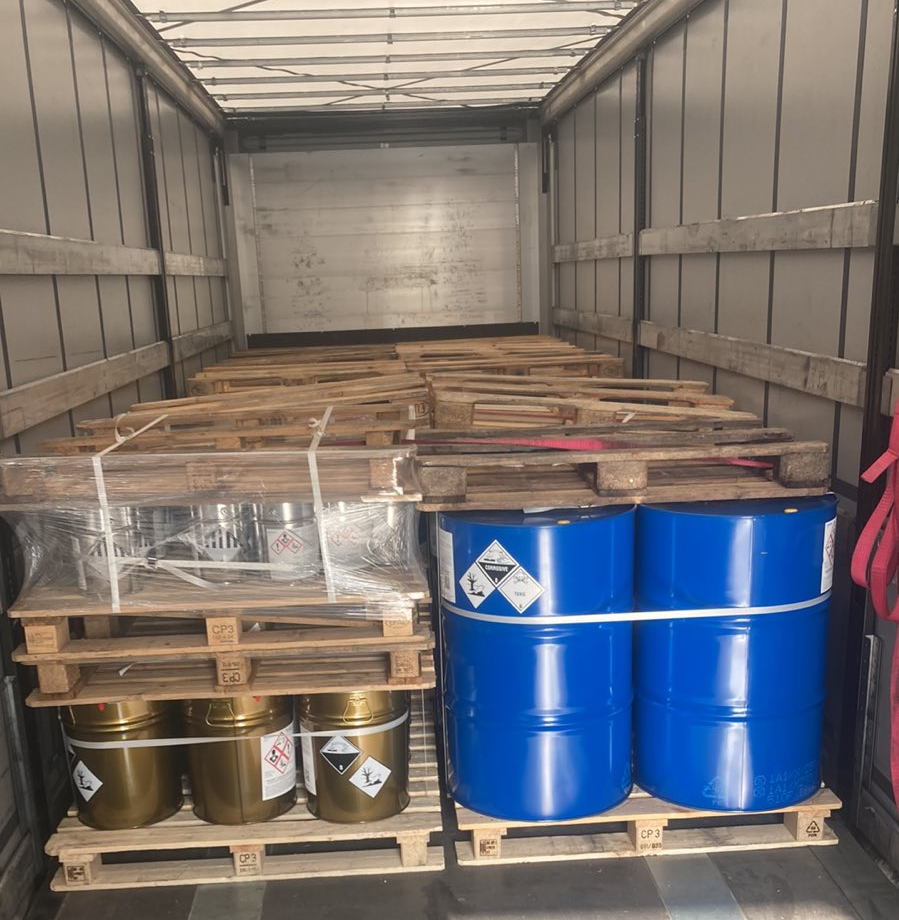
Corrosive acids - Class 8
Sulfuric acid, hydrochloric acid, nitric acid – inorganic acids represent some of the most aggressively corrosive substances in regular commercial transport. They attack metals, destroy organic tissue on contact, and in many cases carry subsidiary hazards – oxidizing properties, toxic vapors, or flammability – that add further complexity to load planning and documentation.
Organic acids – acetic acid, formic acid, propionic acid – are typically less aggressive but frequently flammable, requiring careful assessment of subsidiary hazard classifications and segregation from incompatible cargo.
We carry the full range of Class 8 acids across all three packing groups. Every shipment is correctly placarded, including subsidiary hazard labels where applicable. Transport documents specify all hazard properties, emergency response information, and handling instructions. Drivers hold full ADR certificates.
Score Logistics handles Class 8 acid shipments across Western Europe. All drivers are fully ADR-certified.
Common goods we carry:
Corrosive alkalis - Class 8
Sodium hydroxide, potassium hydroxide, ammonia solution – alkalis are the counterpart to acids in Class 8, equally capable of causing severe tissue damage and destroying metals through a different chemical mechanism. Strong bases react violently with acids, making correct segregation one of the most critical considerations when planning loads involving both categories.
Ammonia solution in particular carries a subsidiary toxic hazard – generating toxic fumes on contact with incompatible substances. This requires additional attention to placarding and emergency documentation on every shipment.
We carry the full range of Class 8 alkalis across all three packing groups. All subsidiary hazards are identified and documented before departure. Segregation from acids and incompatible cargo is assessed on every shipment.
Score Logistics handles Class 8 alkali shipments across Western Europe. All drivers are fully ADR-certified.
Common goods we carry:
Other corrosive substances - Class 8
Beyond acids and alkalis, Class 8 covers a broad range of corrosive substances that don’t fall neatly into either category – battery acid assemblies, paint strippers, rust removers, electroplating solutions, and various industrial chemicals used across manufacturing, construction, and automotive industries.
These goods vary significantly in their hazard profile. Some carry subsidiary flammable or toxic classifications. Some are highly viscous and present containment challenges. Others are in solid form – corrosive salts, powders, and granules – that require specific packaging and load securing.
We assess each shipment individually. Packing group, subsidiary hazards, packaging type, and load compatibility are all reviewed before booking is confirmed. All Class 8 shipments run under full ADR compliance – correct placarding, complete documentation, and emergency response information on board at all times.
Score Logistics handles Class 8 corrosive substance shipments across Western Europe. All drivers are fully ADR-certified.
Common goods we carry:
ADR transport you can plan around.
85 trucks, all ours, all ADR-certified. One contract, one liable party, full chain of custody from loading to delivery.
Class 8 cargo requires careful load planning – acids and alkalis cannot travel together, and many corrosive substances carry subsidiary hazards that affect segregation requirements. Every shipment is assessed individually before booking. Where mixed loading is permitted within ADR regulations we flag the options – where it is not, the shipment runs as a dedicated load.
Clients shipping more than 5 loads per month qualify for Inner Circle conditions – priority capacity, a dedicated point of contact, and rates that reflect the volume relationship.